
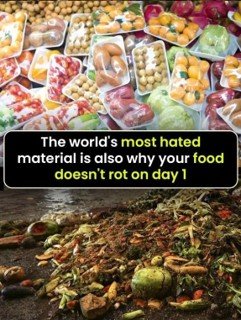
Plastic.
Before plastic was accidentally discovered in 1933 and adopted at scale post-1950, food waste happened at an uncontrollable scale.
Milk soured from light and bacteria, meat dried and oxidised in open air, bread went stale overnight. Most food never made it far past the local markets.
Then plastic entered the system & everything changed.
Food could now survive distance, storage, time and sometimes even wars. Here’s what the transformation looked like:
1⃣ Milk: Plastic pouches and bottles extended shelf life from hours to 3–7 days
2️⃣ Meat: Vacuum plastic packs increased shelf life by 2–3x, cutting retail waste by over 50%
3️⃣ Cheese: Plastic films slowed mould and moisture loss, extending life from weeks to*months 4️⃣ Bread: Plastic packaging delayed staling, moving shelf life from 1 day to 5–7 days
5️⃣ Cucumbers: Plastic wrap reduced moisture loss, extending life from 2–3 days to up to 14 days How did this happen?
Because plastic changed supply chains:
- Less damage in transport, fewer rejections at retail
- Safer storage, lower microbial spoilage
- Predictable shelf life across 100s of kilometres
This is why modern food systems were able to scale! Because of plastic. Yes, plastic waste exploded.
Yes, recycling failed to keep up.
But without plastic, global food waste would be catastrophic. And that’s a truth most eco-friendly folks fail to see.