
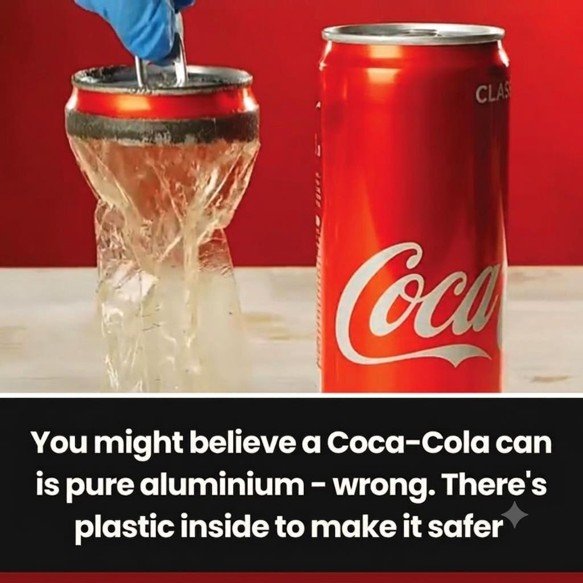
That’s because every can is coated with a thin layer of plastic. It doesn’t exist for looks. It exists so the drink doesn’t react with aluminium and becomes unsafe.
And Coke isn’t alone. Almost every product you touch daily depends on plastic in ways people don’t realize:
1⃣ Frooti is paper outside, aluminum in the middle, and 22% plastic throughout. Without that, every box would need refrigeration – no chance of selling at ₹10 in small-town kiranas.
2️⃣ Amul milk packs use 5 grams of plastic each. Remove it or worse, switch to glass bottles, and you’d need 3 trucks instead of 1 to transport 10,000 liters. More expensive for consumers. More spoilage in India’s heat temperature.
3️⃣ Tea bags aren’t 100% paper. They use polypropylene sealing, or else they’d split open in boiling water.
4️⃣ Paper cups? Also lined with plastic. Otherwise, the cup would dissolve in your hands before you took a sip. The truth: without plastic, products don’t survive transport, storage, or even your kitchen.
Plastic isn’t the problem. Mismanaged plastic is.
So the next time someone says “ban it all,” ask them:
Are you ready for Coke that poisons you, milk that spoils in days and paper cups that leak? Because that’s the world without plastic.